Can microcement go over the tiles in my condo?
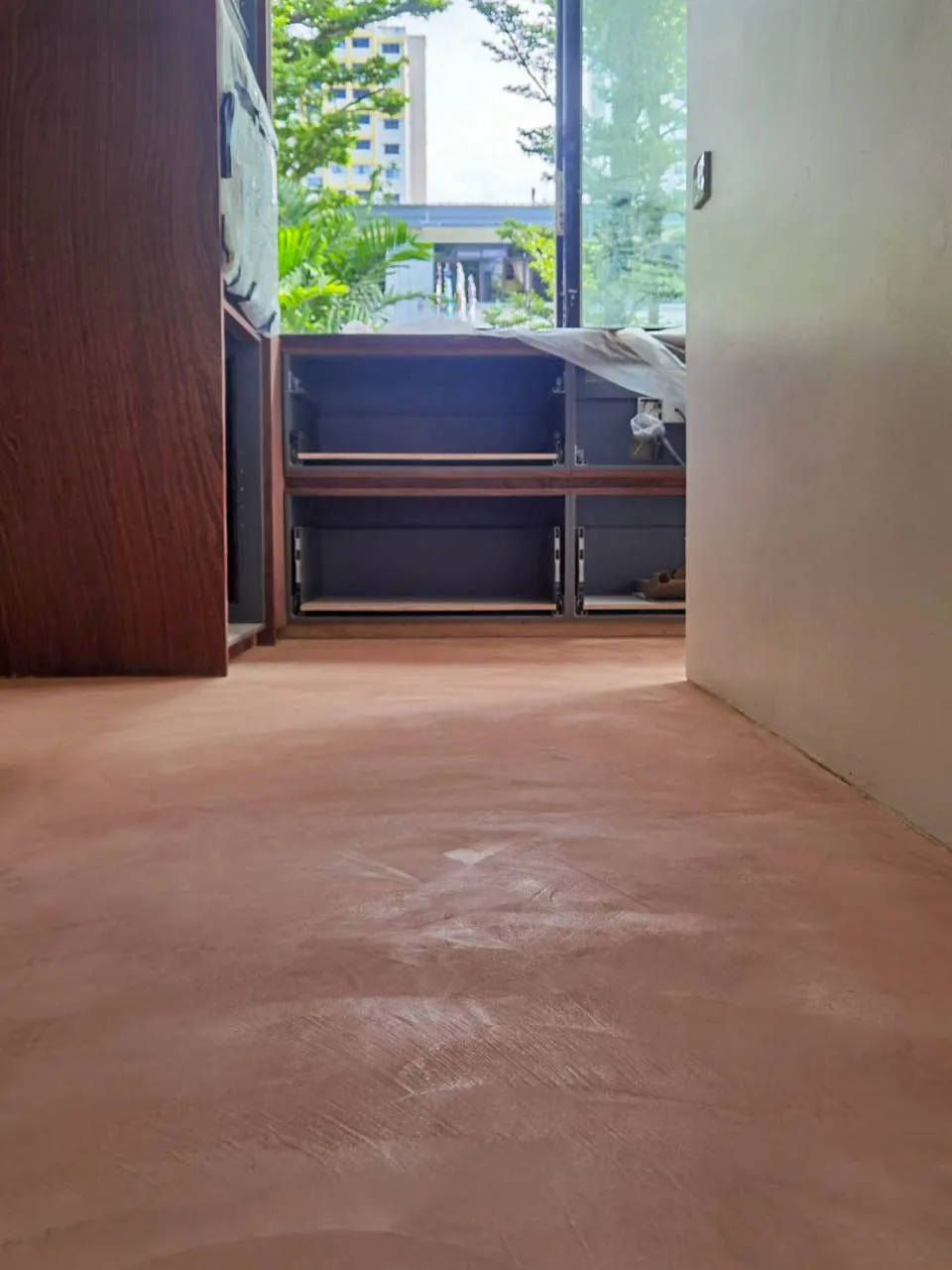
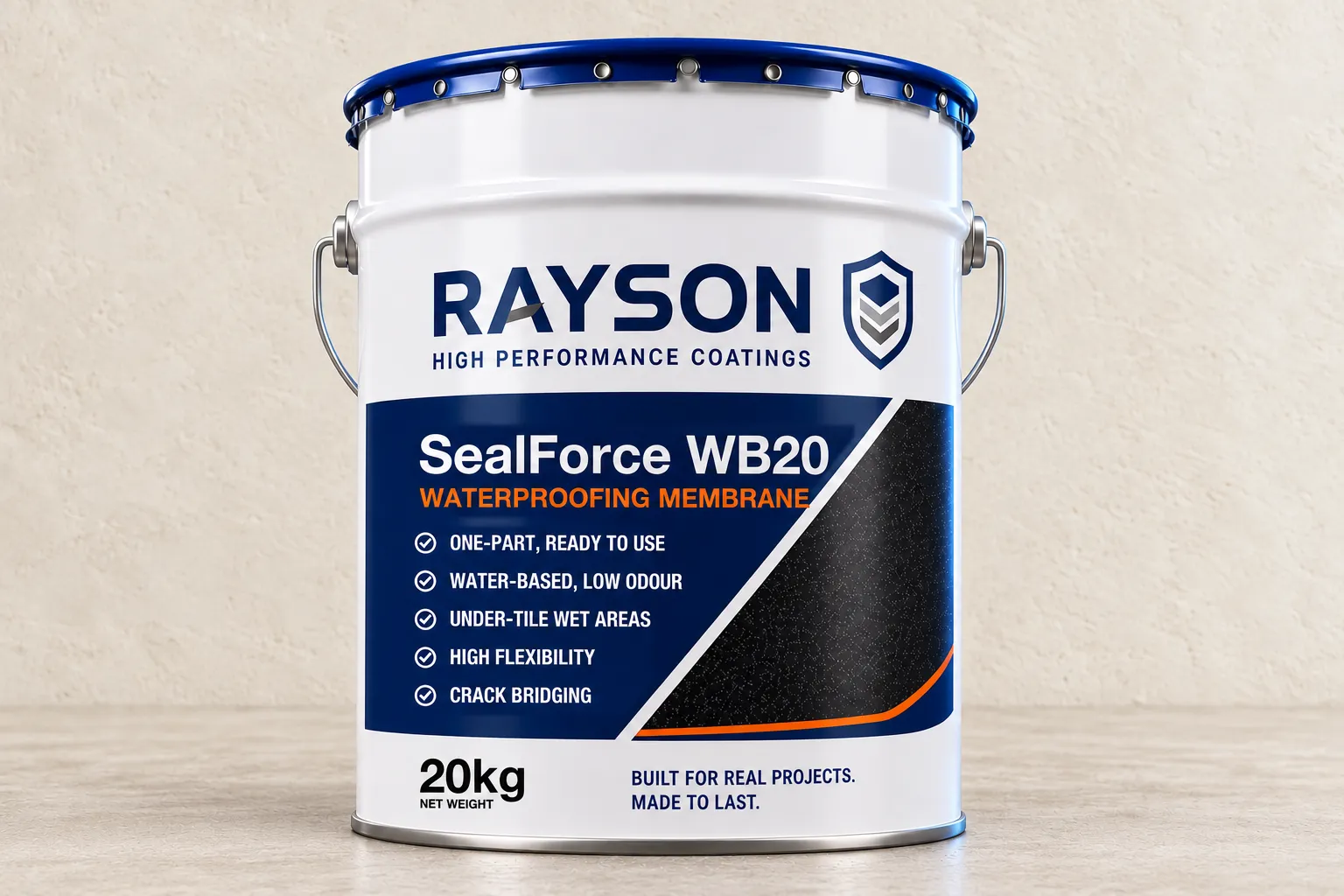
In dry rooms, over tiles that are firmly bonded, usually yes: the applicator taps every tile, takes out hollow ones, fills the grout lines and primes, so there is no hacking and far less noise and debris. In a bathroom or shower the membrane comes first, and SealForce WB20 goes on concrete, render or screed, not on glazed tiles.
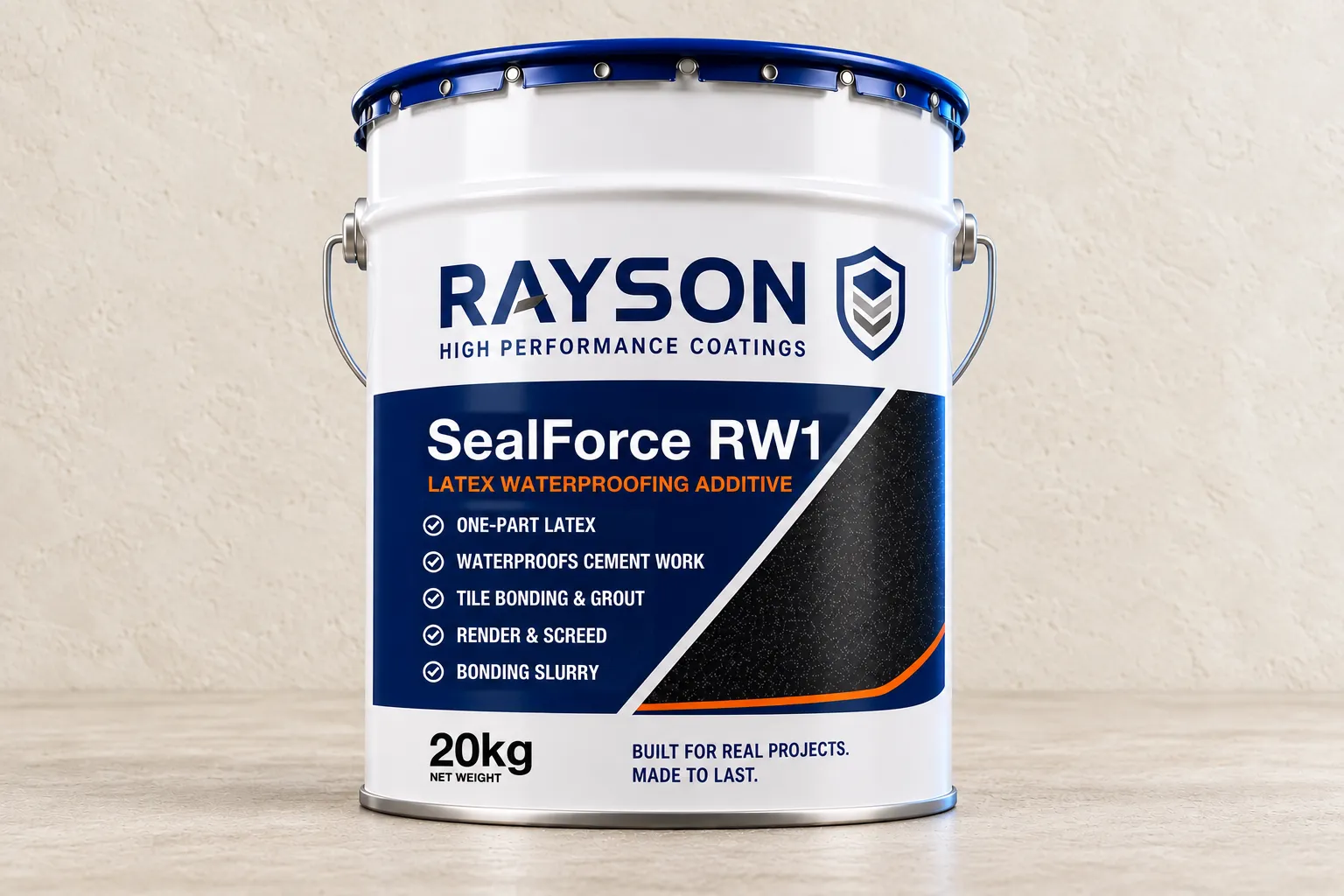
So in wet areas the old tiles come up, or the applicator lays a new screed bonded with SealForce RW1, and says which before quoting. Work in a strata building is planned with the management office first: working hours, lift and corridor protection, and any renovation permit.
Microcement or tiles for a bathroom?
Microcement gives one seamless surface, with no grout lines to darken; a damaged tile can be replaced on its own. Either way the waterproofing underneath does the real work: SealForce WB20 goes on first, in two coats, and passes a ponding test 24 hours after the final coat before any finish.
In a condo with a neighbour below, that membrane matters more than the finish. The floor must also fall to the trap, so the applicator checks the falls and corrects them in the screed before any coating.
How do I look after microcement in Malaysia’s humidity?
Clean it with a mild, pH-neutral cleaner, keep grit off it with a mat at the door, and renew the sealer as the IFS system advises; harsh acids and bleach wear the sealer first. In a bathroom, a fan or a window matters as much as the finish, because mould grows where water stands and air does not move.
The applicator explains the cleaning regime, and when the sealer is renewed, at handover. A shower floor that drains properly and a room that dries between uses keep the surface clean.
Can microcement go on walls, stairs and kitchen tops?
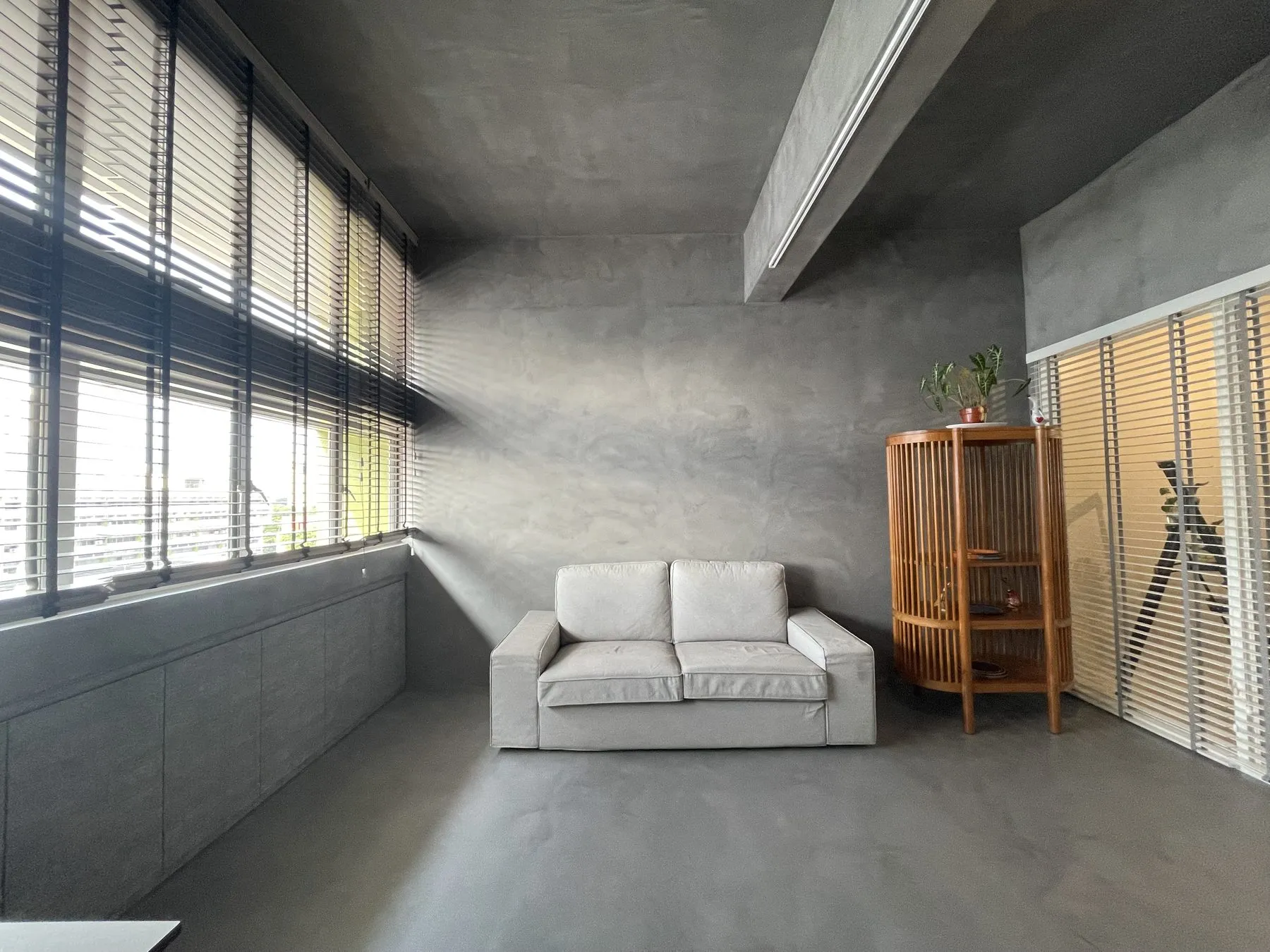
Walls, stairs and feature walls, yes: IFS describes MicroCrete® for floors, walls and other surfaces, and as able to go over existing concrete, tile or wood. Kitchen worktops, outdoor terraces and pool surrounds are raised at the enquiry, because heat, sun and standing water change the build-up.
Stair edges and corners are agreed on the sample board, and walls are checked for cracks and hollow plaster before anything is applied.