What do Malaysia’s food hygiene rules ask of a floor?
Regulation 18 of the Food Hygiene Regulations 2009 requires floors in food premises to be kept in good condition, easily cleaned and where necessary disinfected, made of impervious, non-absorbent, washable and non-toxic materials, and adequately drained. Regulation 19(2) requires the angles between wall and floor to be sealed and coved where necessary.
A seamless resin floor answers the surface part. The drainage part depends on the slab: a 1.5 to 3 mm floor follows the slab and cannot create falls, so where water does not run to the drains, the falls are built in a screed first.
PU-cement or epoxy for a food plant?
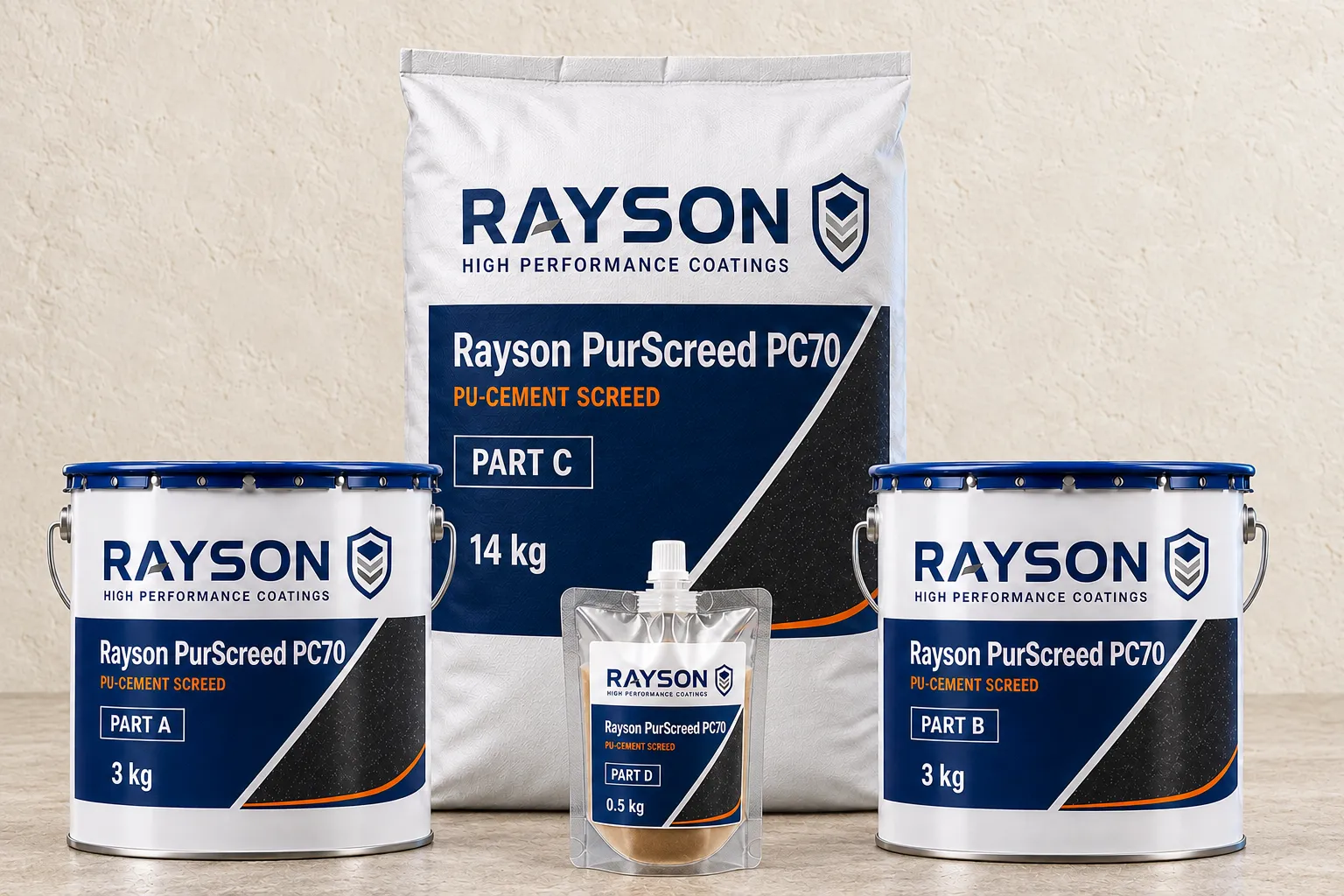
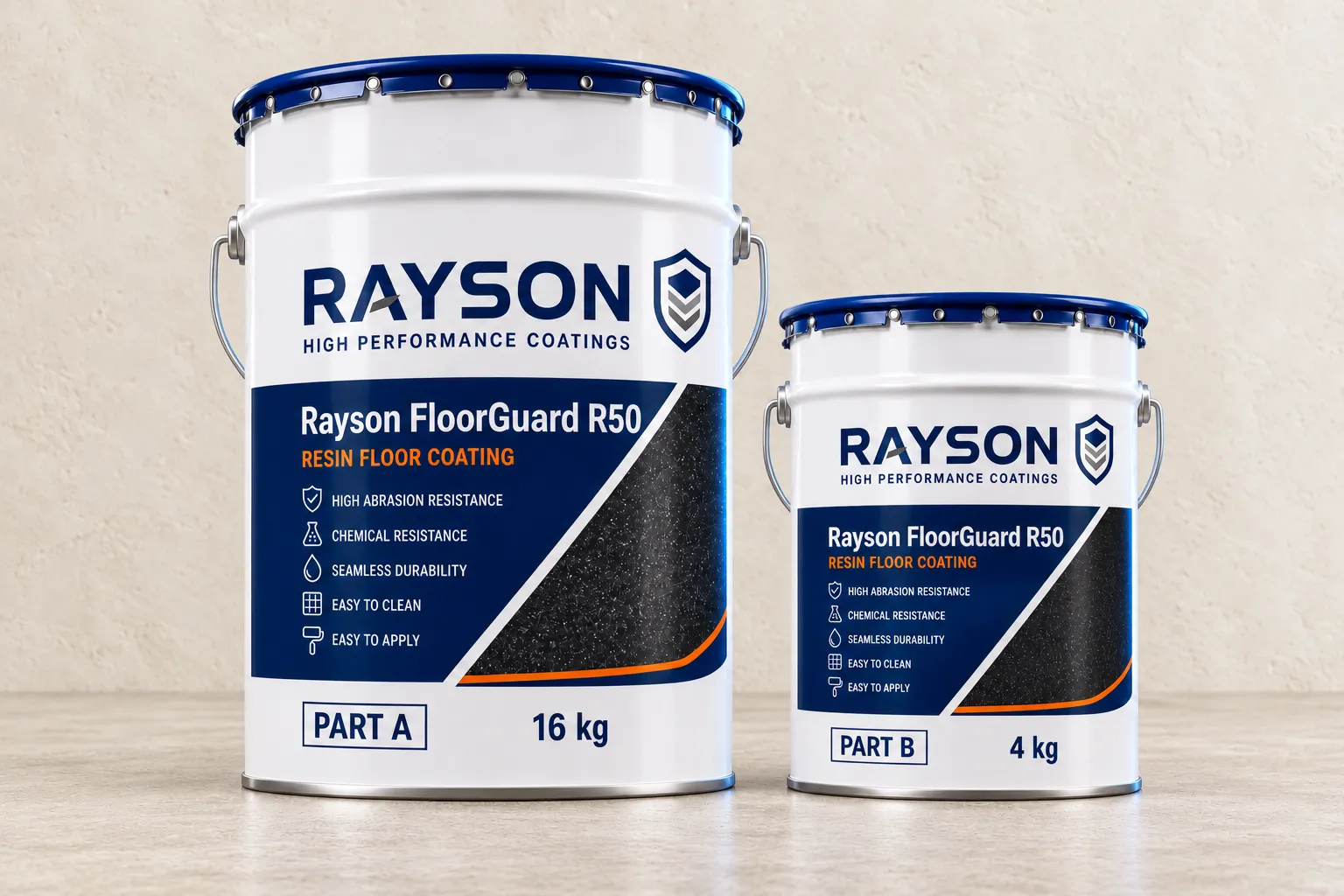
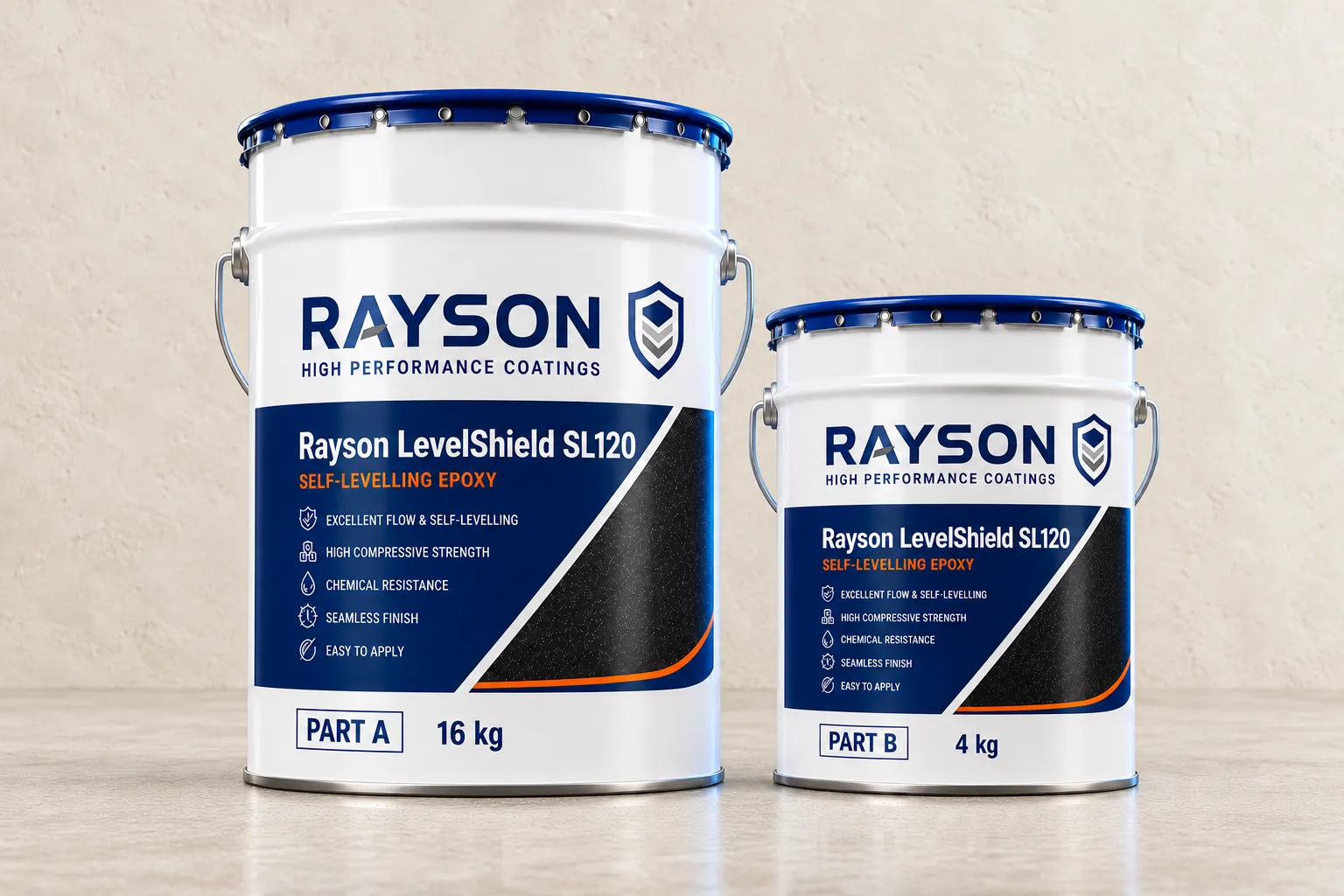
PU-cement where it is hot and wet: cooking, kettles, hot washdown, steam and regular chemical cleaning take PurScreed PC70, the screed the epoxy data sheets refer those areas to. Epoxy where it stays dry or is only rinsed cold: dry stores, packing and dispatch take FloorGuard R50 or LevelShield SL120, at lower cost.
Most plants need both, side by side, with the junction between them detailed. The survey records your washdown temperatures and chemicals, and the specification states the limits of each system in writing.
How are coves and drains handled?
They are detailed in the preparation, before the screed goes down, as the PC70 food-floor system on the data sheet sets out: coves where the floor meets the wall, and clean, sealed edges at drains, gullies and plinths, which is where water and dirt collect first.
The survey records every drain, gully, plinth and doorway, and the quotation states how each edge is finished, so nothing is left to be decided on the day.
Can the floor be laid without stopping production?
Usually, in sections. PC70 has a short pot life, 15 to 20 minutes at 30 °C, so each section is mixed and laid continuously, and the data sheet gives seven days to final cure. The order of rooms and the shutdown windows are agreed before work starts.
The sequence keeps raw and finished-product areas apart while the work moves through the plant, and each room goes back into service when the specification says its section is ready.