Which is better, epoxy or tiles?
Neither, everywhere. Choose epoxy for an indoor floor that must be seamless and easy to mop: a garage, store room, workshop, home kitchen or shop, and for a floor that must take oil and tyre marks. Choose tiles for a terrace or pool surround in full sun and rain, where you want a pattern or a stone look, where you want to replace single pieces, and on a slab too damp for a coating.
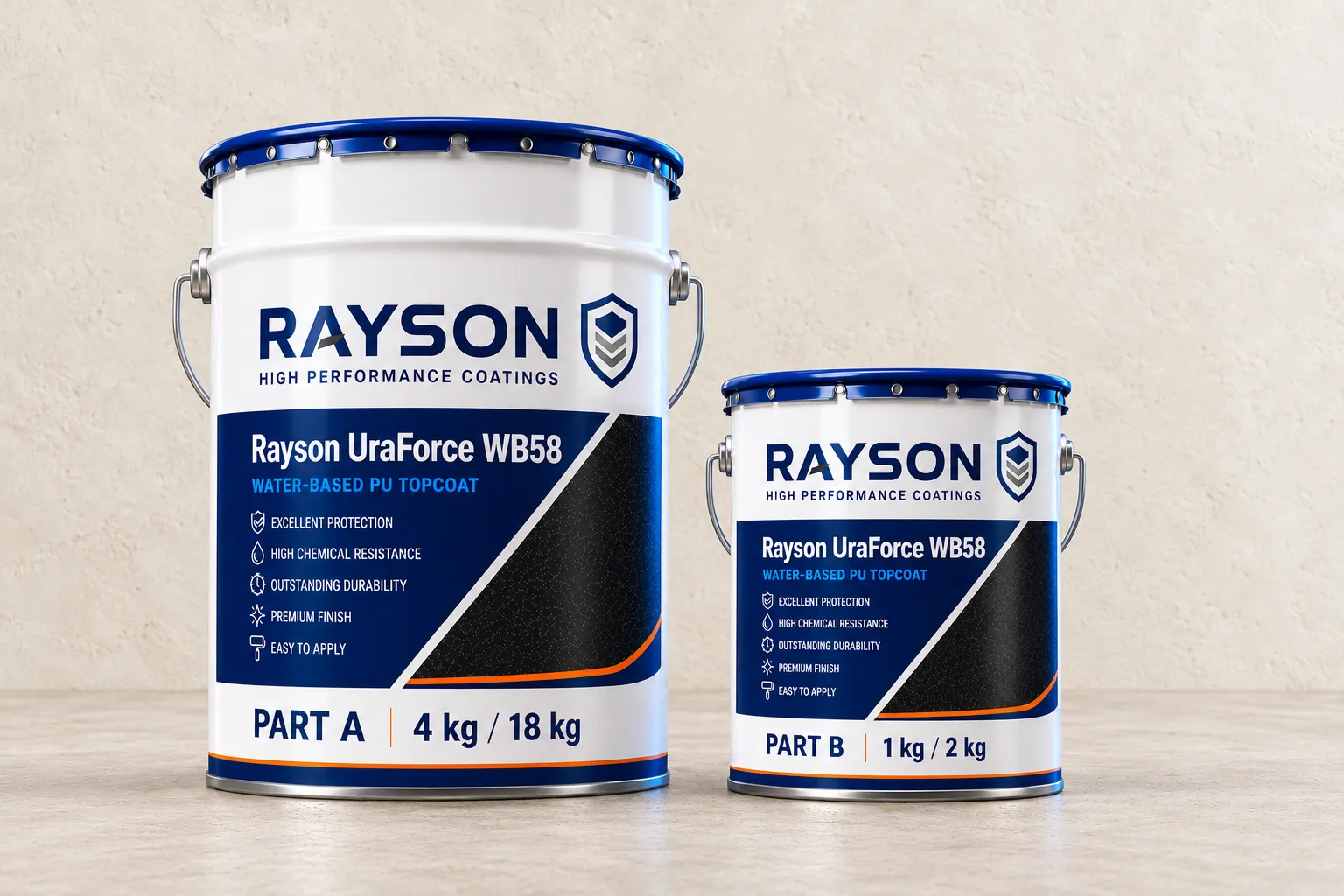
A porch under a roof takes either; an open porch takes tiles, or an epoxy with a UraForce WB58 topcoat. The rest of this guide takes the questions one at a time, and the applicator confirms the floor on site.
Can epoxy go over my existing tiles?
Yes, if every tile is firmly bonded: the applicator keys the glaze, fills the grout lines so they do not show through as a grid, and applies a bonding primer before the epoxy. A hollow tile takes the new floor with it, so every tile is tapped first and hollow ones are taken out and patched.
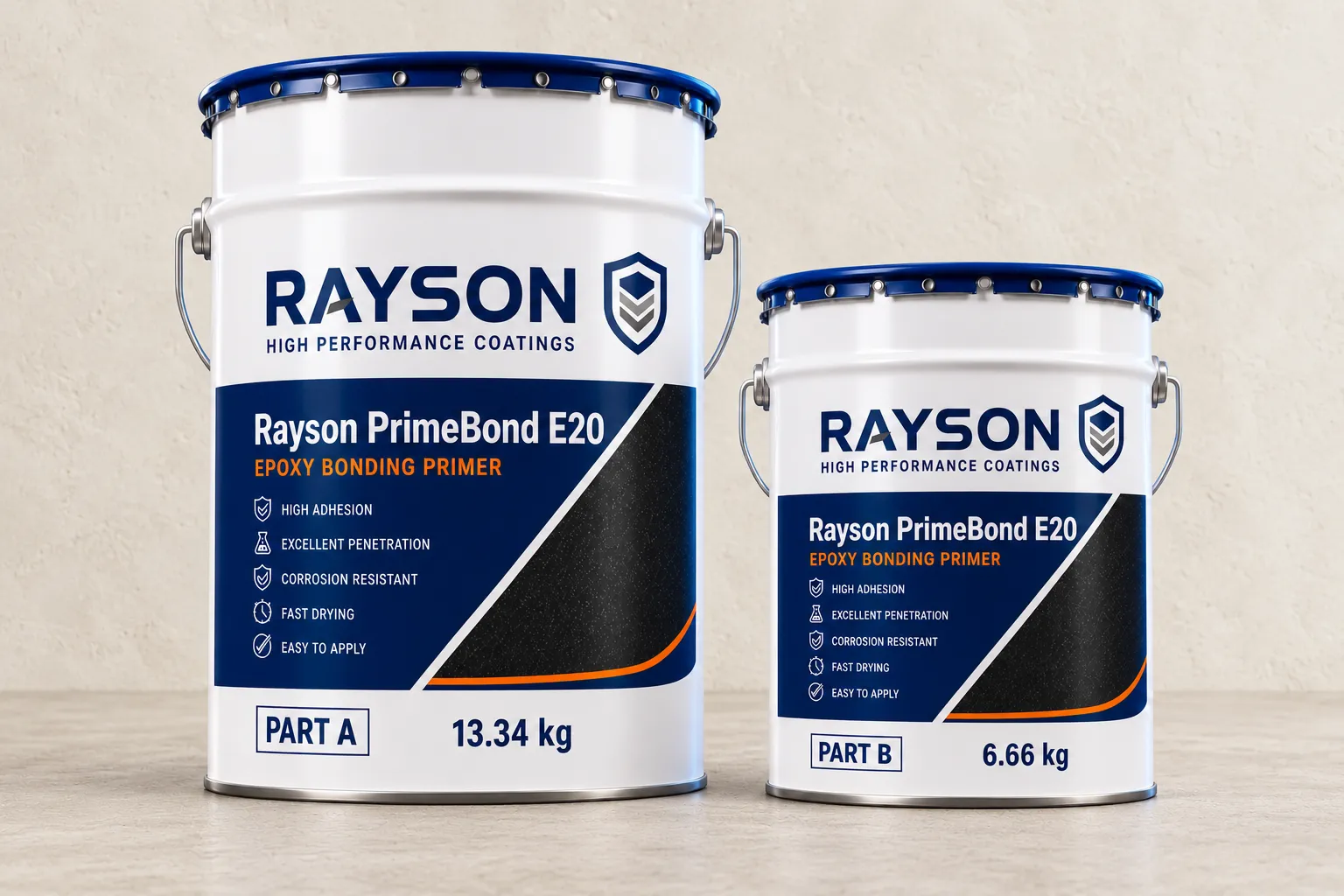
PrimeBond E20 is a primer for concrete, screed, sound old epoxy, asphalt and prepared metal, not glazed tiles, so an epoxy floor over tiles is an applicator’s job, with the bonding primer the system calls for. Door clearances are checked, though the build-up is thin. The guide to epoxy over tiles goes through the preparation, the primer and the cost.
Is epoxy good for a car porch?
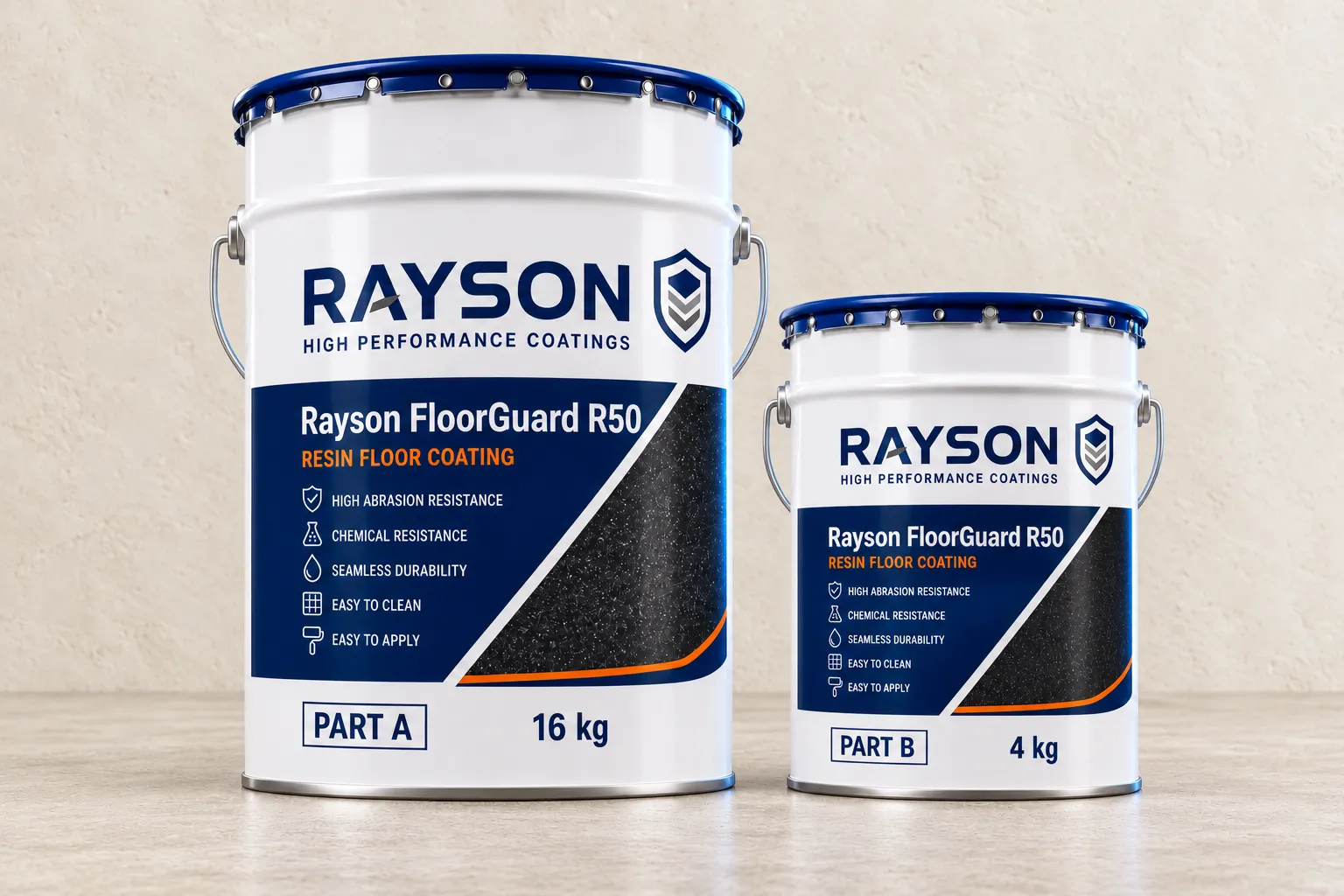
Under a roof, yes: FloorGuard R50 over PrimeBond E20 resists oil and tyre marks and mops clean. In the open sun, epoxy on its own yellows and chalks, as the R50 data sheet says, so an open porch takes a UraForce WB58 polyurethane topcoat, which is aliphatic and non-yellowing, over the epoxy.
Outdoor tiles take sun and rain without a topcoat, which is one reason many porches stay tiled. Where a porch sits over a room, the waterproofing comes first, whichever finish goes on top.
Which is less slippery?
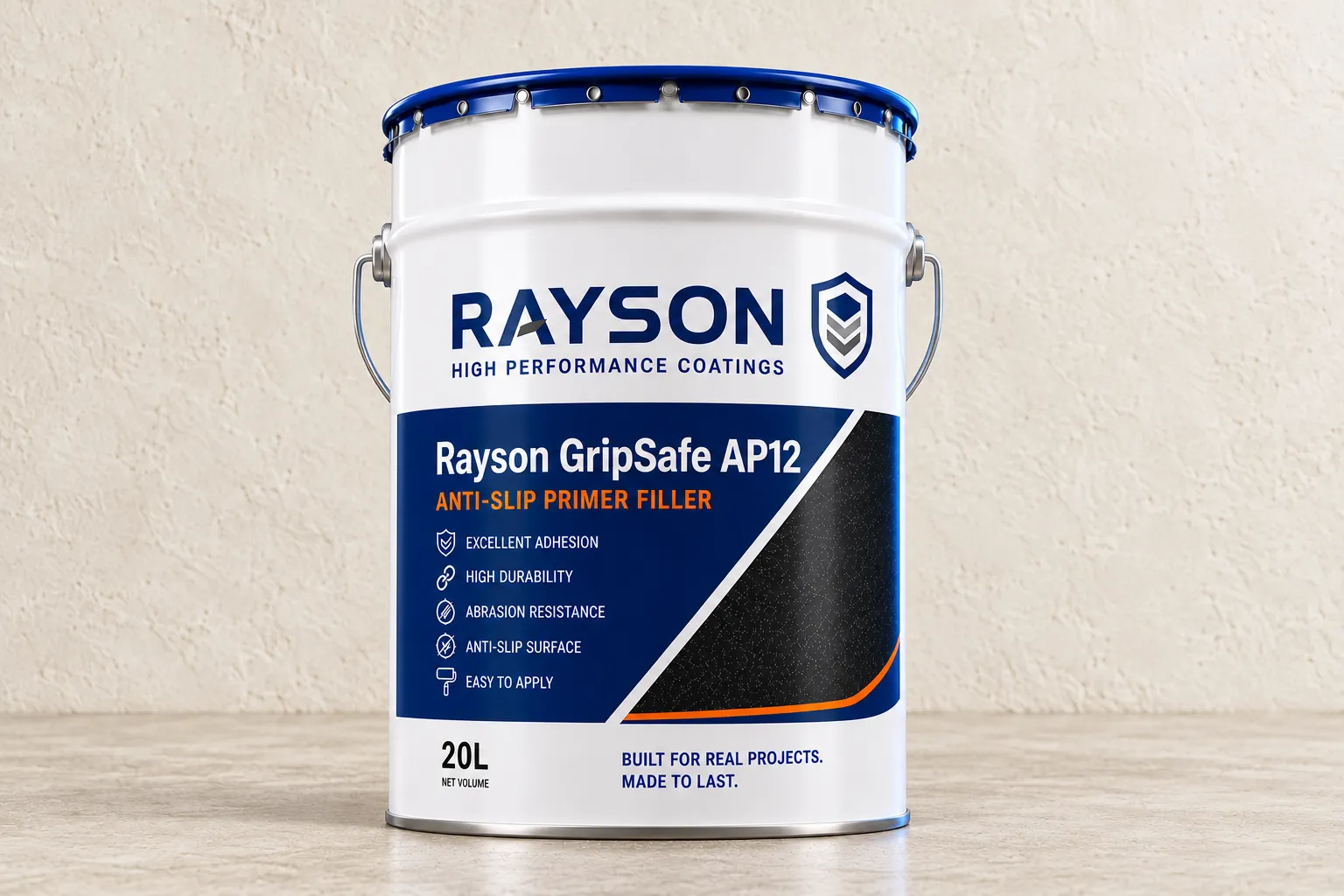
A smooth gloss epoxy and a polished tile are both slippery when wet. Epoxy can be made grippy where it needs to be: aggregate broadcast into the coat on ramps and wash areas, or GripSafe AP12, which builds a quartz texture in one product on concrete. With tiles, choose one rated for wet floors.
Indoors, a smooth finish is easiest to mop; the texture goes where rain, water and wet feet come in.
Which is easier to repair?
A broken tile can be chipped out and replaced, if a matching tile can still be found. Epoxy is one continuous coat: a worn or damaged patch is ground, primed and recoated, and on an older floor a new patch can look slightly different, so sometimes a whole area is recoated.
Most epoxy damage starts in the floor underneath, from damp, hollow tiles or cracks, so the inspection deals with those before the first coat.
Is epoxy a good floor for a kitchen?
A seamless epoxy floor has no grout lines for grease and dirt to settle in, which is why it suits home kitchens, utility rooms and shop floors. Commercial kitchens with hot washdown are different: they take a PU-cement screed such as PurScreed PC70, which takes heat and wet cleaning that stress an epoxy.
For a home kitchen, a coloured epoxy with a texture near the sink suits most homes; the applicator checks the moisture first, because a damp slab blisters any coating.
What are the disadvantages of epoxy flooring?
Four, and each has an answer. It yellows in sunlight on its own, so outdoor and sunny floors take a UraForce WB58 topcoat. It needs a dry slab: moisture above 5% blisters any coating, so the slab is tested first. A repair is recoated, not swapped, and on an old floor the patch can show. And the preparation is most of the work: grinding, repairs and the moisture test decide whether the floor lasts.
It also sets a programme: full cure on the FloorGuard R50 data sheet is seven days, so the room is out of use for a week. What it is not is slippery by nature or hard to clean: both depend on the finish chosen.
When are tiles the better choice?
Where you want a pattern or a natural-stone look, where you want to replace single pieces, on open terraces and pool surrounds in full sun and rain, and on slabs too damp for a coating, where moisture would blister an epoxy. Epoxy suits garages, store rooms, workshops, kitchens and shop floors where one seamless, easy-clean surface is the point.
For a decorative, seamless look in a living room, the IFS metallic and flake finishes go over the same Rayson primer, confirmed on a sample board first.